Showing posts with label brassica. Show all posts

Thursday, November 1, 2007

A frosty end
solanums versus brassicas

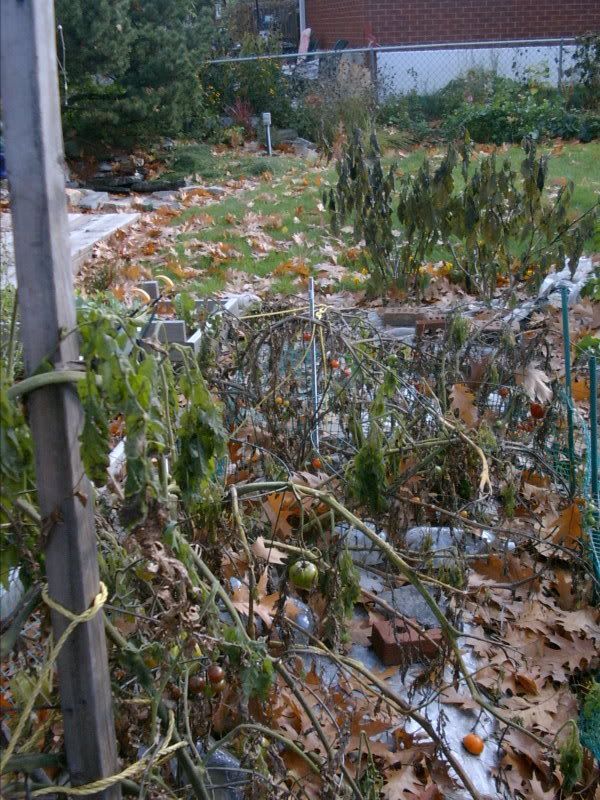
It looked like we might have had a November tomato, but 2 days before, frost hit.

Photo Sharing and Video Hosting at Photobucket
Black cherry tomatoes, various other tomatoes, and in the distance, eggplant all frost bitten

Sad, yes, but not to despair, I still have my cabbage, brussel sprouts, kale, chinese cabbage, tatsoi, broccoli, rabe, as well as root crops and other greens.
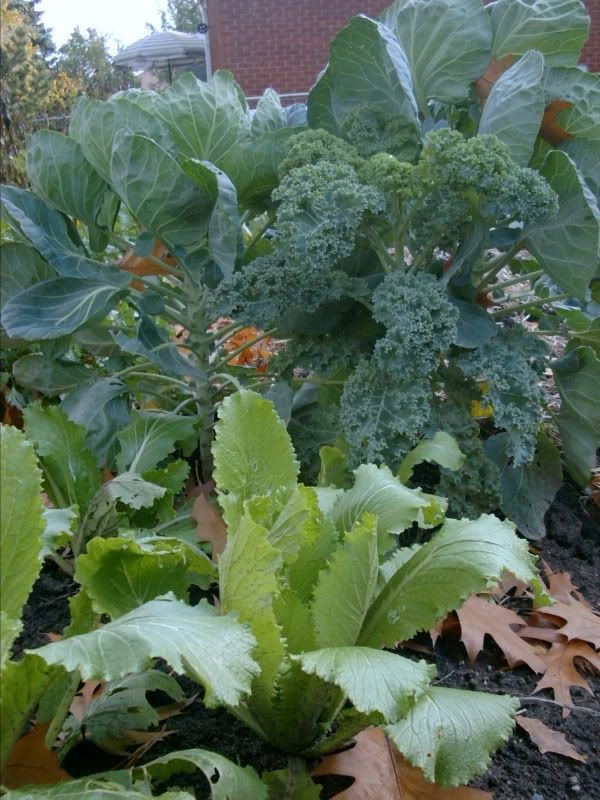
Photo Sharing and Video Hosting at Photobucket
From foreground back: chinese cabbage, kale, and brussel sprouts


Caution Gardening 201
For the not quite novice, the forgetful, or the bored.

This is the tale of two vegetable families.

The solanums

These are warm weather lovers. They drink in the sun, and fear frost. With the exception of the potato, it is the fruit that we eat. They should be started between 6-8 weeks before the last frost date, eaten with gusto at the height of the season, and then bid farewell to at first frost in the fall.

For most neophyte table gardeners, tomatoes are at the top of the list of vegetables they grow. They are relatively easy and the taste fresh from a backyard garden is without comparison. I credit the growing requirements of the tomato as part of the reason that so few beginner gardeners are aware of the best practice for growing another group of veggies.


The brassicas:

Ah, delicious and very healthy brassicas, all are quite cold tolerant. Some are extremely hardy and will survive vicious winters in a cold frame, such as kale, tatsoi, and mustard greens. Others, require a bit more pampering but like purple sprouting broccoli, will happily overwinter in mild winter areas. Most, in fact, prefer cooler weather. Or, should I say, that to get the most out of the vegetable and prevent bolting, you need cool temperatures. For gardeners with a short growing season or little strong sun (because of fog or rain or both) or where it is rarely warm enough to grow a good beefstake tomato, these crops fill in the garden.
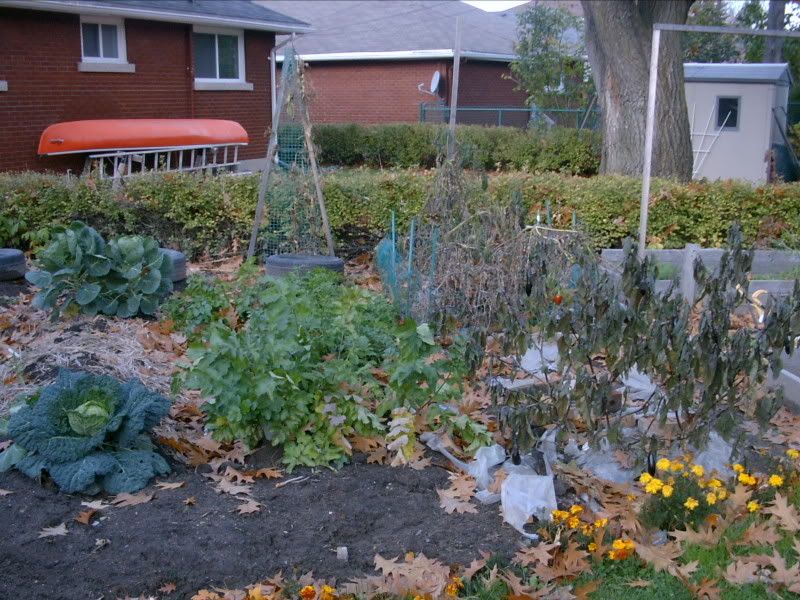
Photo Sharing and Video Hosting at Photobucket
Left to right, brassica, parnsips and parsley then dead solanums.

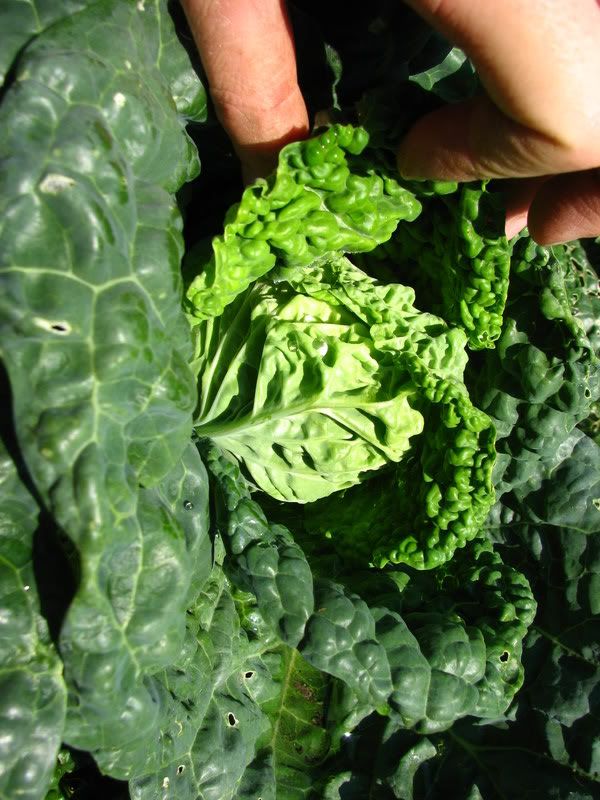
They can be put out when soil temperatures are still on the cool side. Under cloches, and coldframes, I started some fabulous savoy cabbage this year when we were still having light snowfalls. The quick growing brassicas, like short season cabbage, spring broccoli, and any of the leafy greens such as broccoli rabe and bok choy are great early season choices. If you don't have a coldframe, try pop bottle cloches.

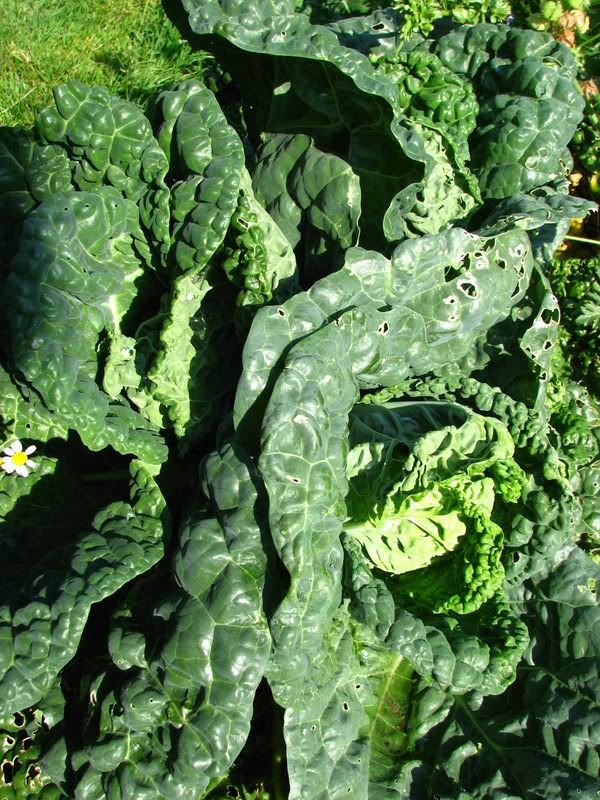
Then mid-summer, start another crop of the quick growers to mature in the cool temperatures of fall. Many brassicas such as brussel sprouts and turnips, taste better after being bitten by a few frosts. Starches are converted to sugars to lower the freezing temperature of the vegetable so they are sweeter.

Even if you don't love these tasty treats (and how could you not LOVE BROCCOLI???), grow them just so that your garden doesn't look so sad after first frost.
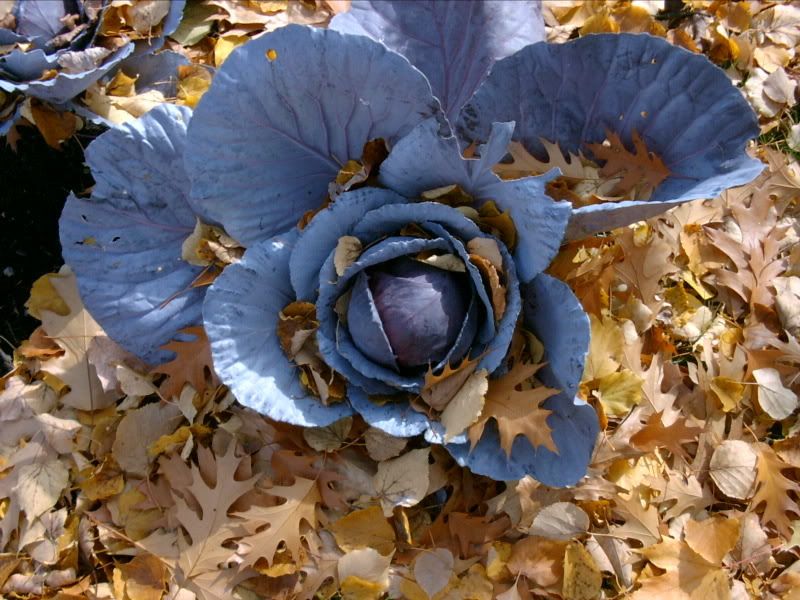
Photo Sharing and Video Hosting at Photobucket
Long season purple cabbage beautiful contrasted with fall leaves, don't you think?

Links

Coleman's Four Season Harvest
Fall Crops - tips on planting
Fall Crops - an equation
Virginia Tech - brassica growing tips


Sunday, September 23, 2007

Reheading cabbage - proof

Remember when I told you that if you cut off the head of your cabbage but left the plant in the ground that it will rehead? Remember?

And remember how you said to yourself, whatda know... but didn't really believe me? Or believed me but didn't bother to do it yourself?

Well check it out:

Photo Sharing and Video Hosting at Photobucket

You should be able to see four or five mini-cabbages in this picture.

Here's a close up of one and my rather large, rather mannish hand.

Photo Sharing and Video Hosting at Photobucket

Perfect little side dishes.

Links:

The before post

Saturday, August 4, 2007

How to grow a cabbage as big as your head

Photo Sharing and Video Hosting at Photobucket
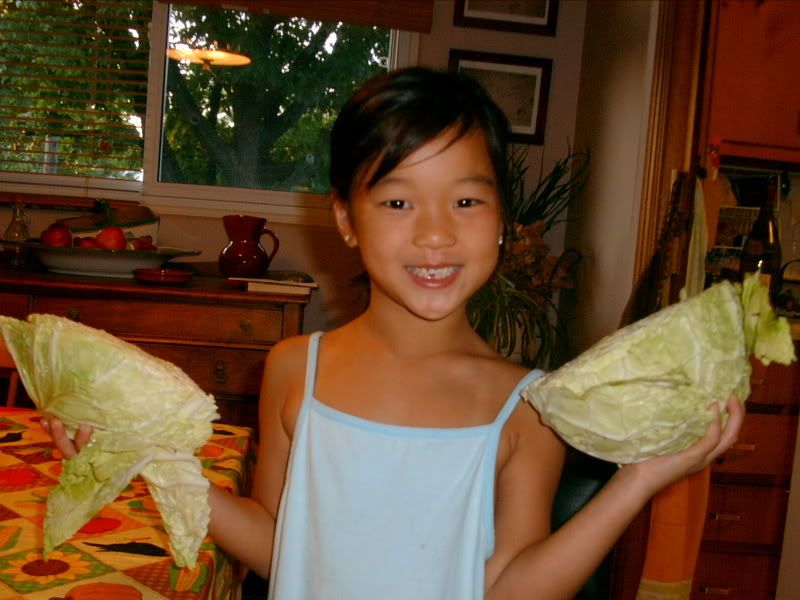
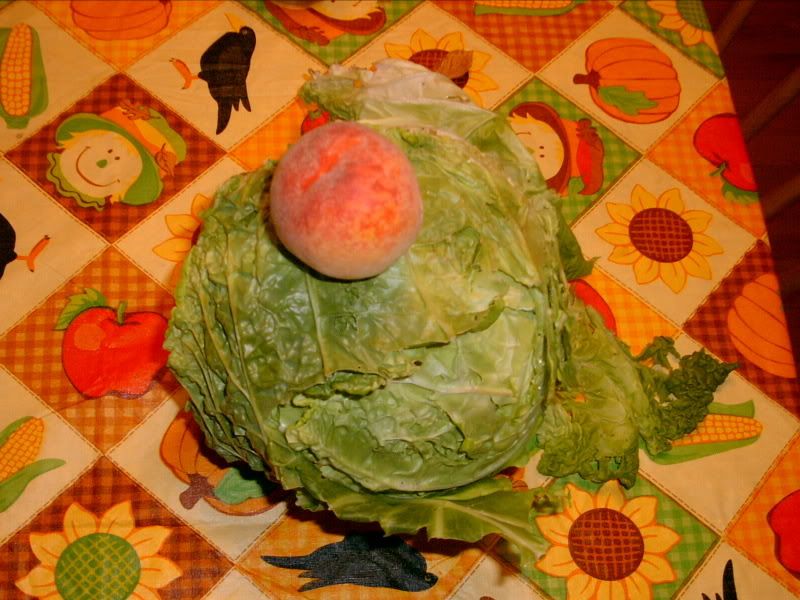
Or at least as big as my niece's head.

1. Start way too optimistically early - like March, under lights.

2. Transplant in a 18 inch square space, ammended by half frozen manure, when you are still getting snowstorms even though you know that you should wait until it is reliably 7C outside at night or warmer (but not too warm).

3. Cover with little cloches and fret alot.

4. Figure there's no way these guys are going to make it and start another batch in April. Pretend you planned this.

5. Forget to water a lot.

6. Pick off cabbage worms, or better yet, do a little science project by bringing them indoors to watch them turn into butteflies. Lots of fun though releasing them does add to the pest population.

7. Wonder, when you get around to weeding, if they will ever be ready

8. Harvest first and second crop (both survived) and wonder in amazement that it actually worked again!

9. Be grateful for the joys of gardening.


Photo Sharing and Video Hosting at Photobucket
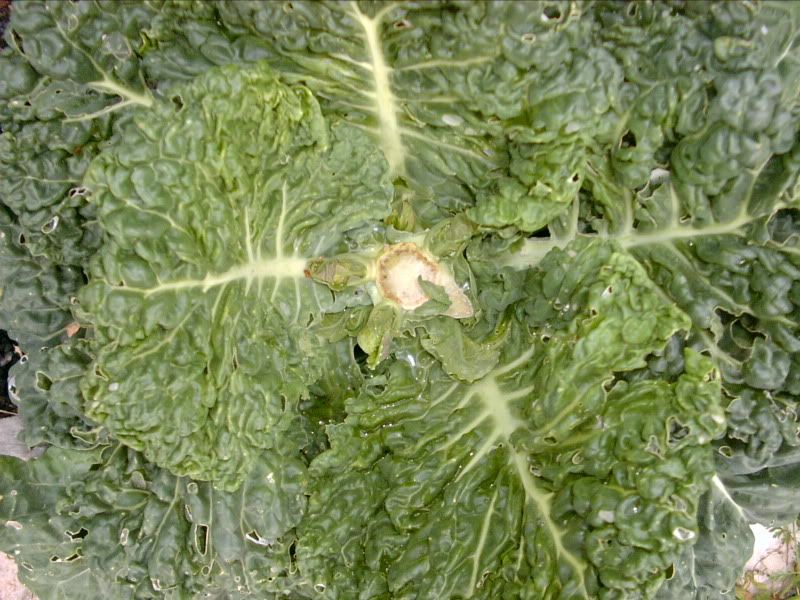
This cabbage has no lingering doubt when the spammers make comments about its size. Those holes on the outer leaves (the inner leaves were unblemished) are caused by an assortment of catepillars and slugs. But they left sooo much cabbage, I can't really complain.

Wait you really want to know how to grow great cabbages?

Veggie Gardening Tips is a blog full of great information about organic vegetable gardening and he's written a post to answer just this question!


Join Green Thumb Sunday
Join


Gardeners, Plant and Nature lovers can join in every Sunday, visit As the Garden Grows for more information.

Wednesday, July 11, 2007

Reheading cabbage and short season sweet potato update

It's that time of year where I spend all my time gardening, and less time looking up gardening questions unless, of course, there is some problem...


So far, so good.


We have pests: cabbage moth, cucumber beetle, colarado potato beeltle (which only seems to be interested in my physalias - the primary reason I grow the invasive darlings). We have see-saw weather, but so far my veggie crises are minimal.


Re-heading cabbage


Photo Sharing and Video Hosting at Photobucket
Same savoy as in the above link.


Can you see them? Darling little heads growing at the leaf axils as promised! They should make nice tender additions to a soup, a stirfry, my sandwich...

Sweet Potato Mulch


Photo Sharing and Video Hosting at Photobucket
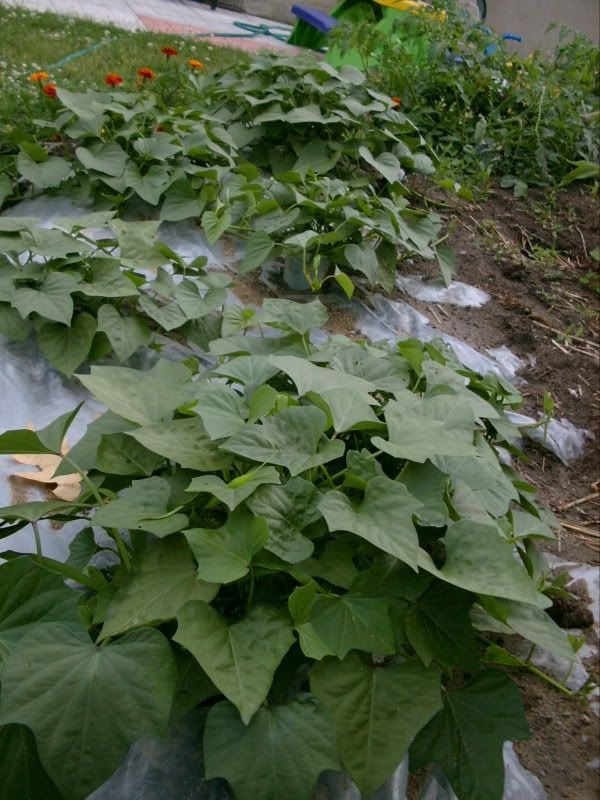
Short season sweeet potatoes starting to vine.


I keep hearing about how these things live by the same 'take-over-the-world-or-at-least-the-garden' moto as pumpkins so I am glad to see they are starting to live up to the promise.


Tender Fruit


Photo Sharing and Video Hosting at Photobucket
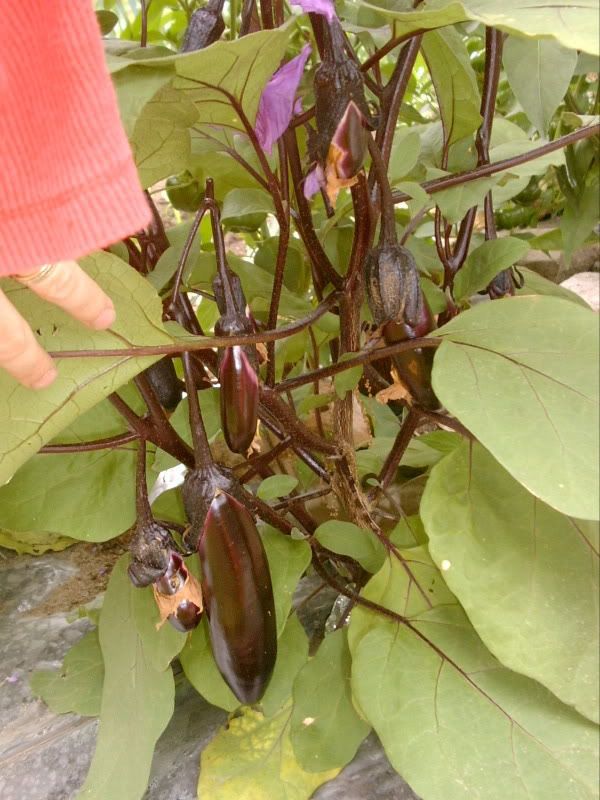
Long, oriental type eggplant.


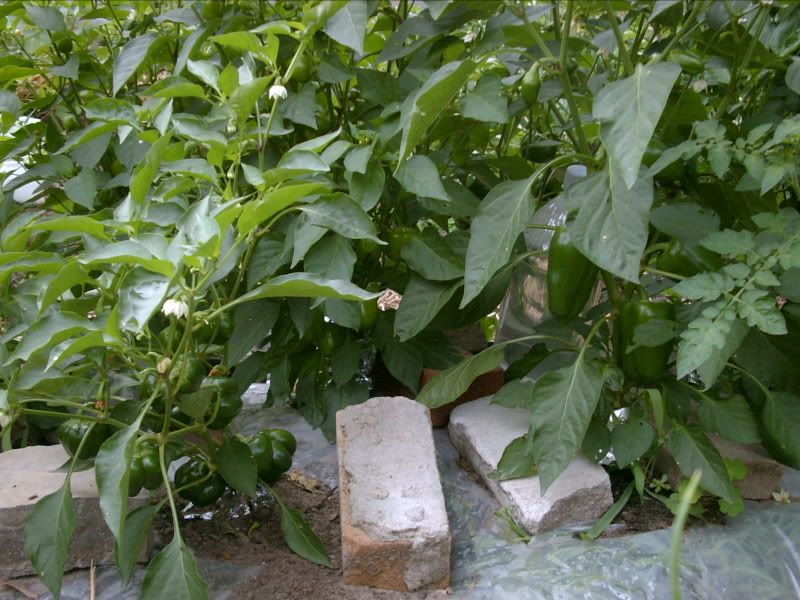
Thanks to clear plastic mulch, this is the first year that I have had such an impressive crop of sweet peppers and eggplants. Okay, perhaps I should be more clear. I have grown eggplants for three years in a row. The previous two years I have gotten less than 4 egg-fruits. Really, I hesitate to call them eggplant fruit at all as they were pathetic examples. I do not blaim the plants themselves but their growing conditions.


Photo Sharing and Video Hosting at Photobucket
Mini-bells, italian frying and some other kind of pepper. They got knocked over as seedlings. It'll be a nearly blind taste test.

Thanks to Ken Allan's amazing book on growing short season sweet potatoes in the north called Sweet Potatoes in the Home Garden, I now have a new way to 'extend my climate zone.' Plastic mulch increases soil temperature which many plants, such as the aforementioned, appreciate.


Ken, you are one of my gardening idols.

Wednesday, July 4, 2007

Brassicas and bonus crops

Second Chance Cabbage


Photo Sharing and Video Hosting at Photobucket
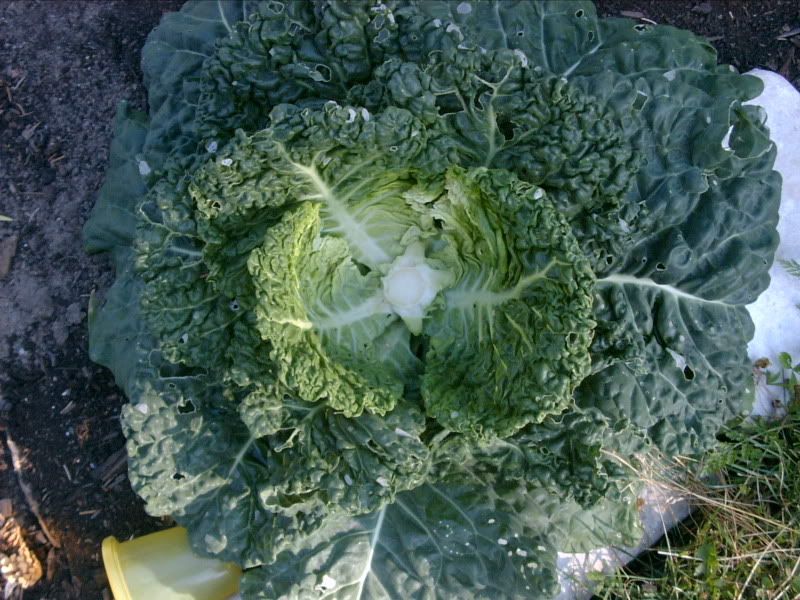
Savoy Cabbage harvested


Where once there was a delicious young savoy head, now there is nothing but an empty middle. But don't worry, the cabbage plant has not given up yet. It may yet produce a second crop of smaller, more bite sized heads. Here's how. Cut the cabbage head off the leafy base. This next step is optional but some suggest then making a cross in the stem bit that's left. I discovered that this really does work accidentally one year when I was lazy about removing the old cabbages... Apparently, the cabbages will form loose mini-heads between the leaf axils.


This works best with shorter season cabbage, by the way, though mine were long season cabbage which sprouted in the 'spaceship' greenhouse.


Bountiful Broccoli


Broccoli is also well known for its ability to re-bud. Some broccoli varieties are called sprouting and form an initial head of varying size which when harvested is followed by a succession of smaller heads. However, most regular broccoli will also do this. If you want a steady crop of mini-broccolis forming at the leaf axils, then look for this quality when buying seed.


Tasty Kholrabi heads and tails


Photo Sharing and Video Hosting at Photobucket
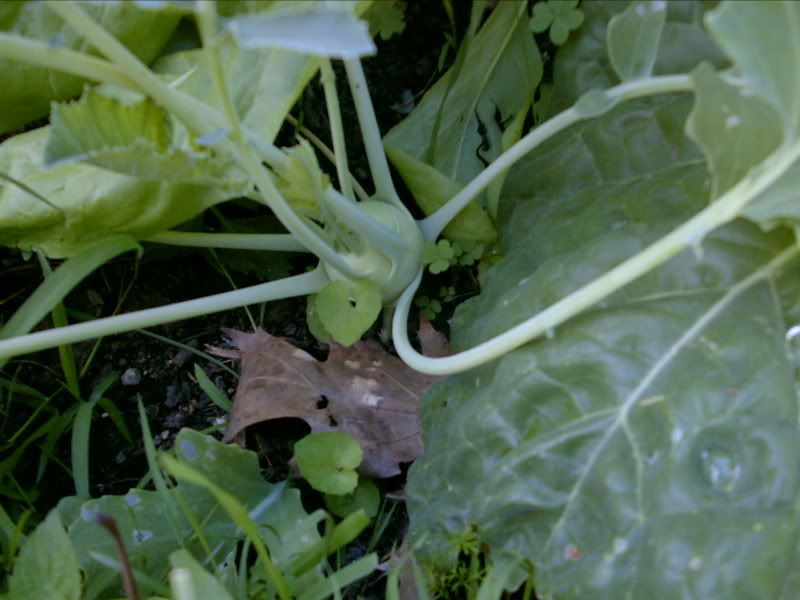
Half-grown kholrabi


When harvesting my kholrabi, I asked myself, can I eat the leaves? Maybe I was hungry, maybe I just hate wasting something edible. Anyhow, the answer is 'yes'. I cook them rather like collards. In fact this goes for all the members of the vegetable brassica family that I have looked up so far. Apparently the younger leaves are less tough and sweeter. Frost will also improve their flavour. So after you yank the plant, why not cook yourself up a plate of greens?


Links:


http://www.garden.org/foodguide/browse/veggie/broccoli_harvesting/599
http://www.bonnieplants.com/Default.aspx?tabid=325

Tuesday, April 10, 2007

Brassica Babies, Bad Weather and Pop Bottle Cloches

In a good year, frosts are mild by mid to late April, and with minimal protection, my brassicas do just fine. This is not a good year.


Hortiphilia Fact


Buttoning or the formation of a small head in broccoli, cauliflower and other brassicas can be caused by excessively cool temperatures when plants are young. (under 45 F / 7 C)


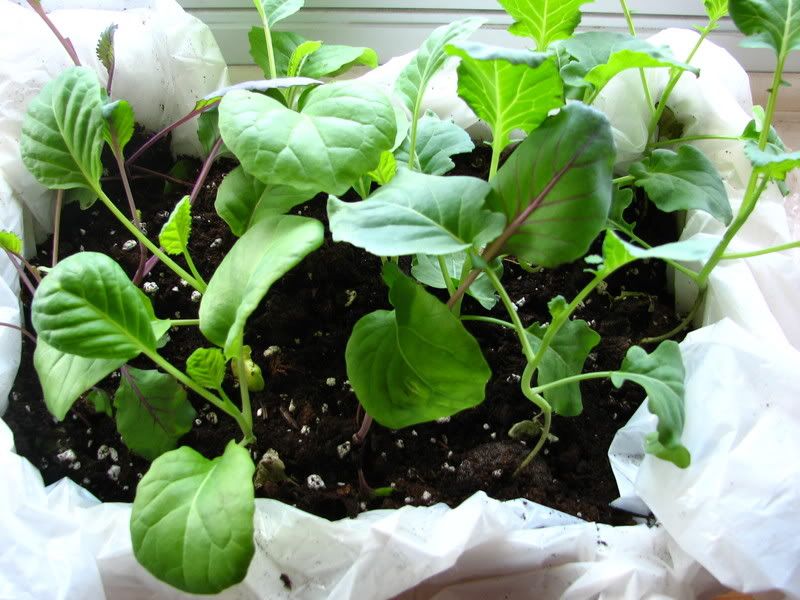
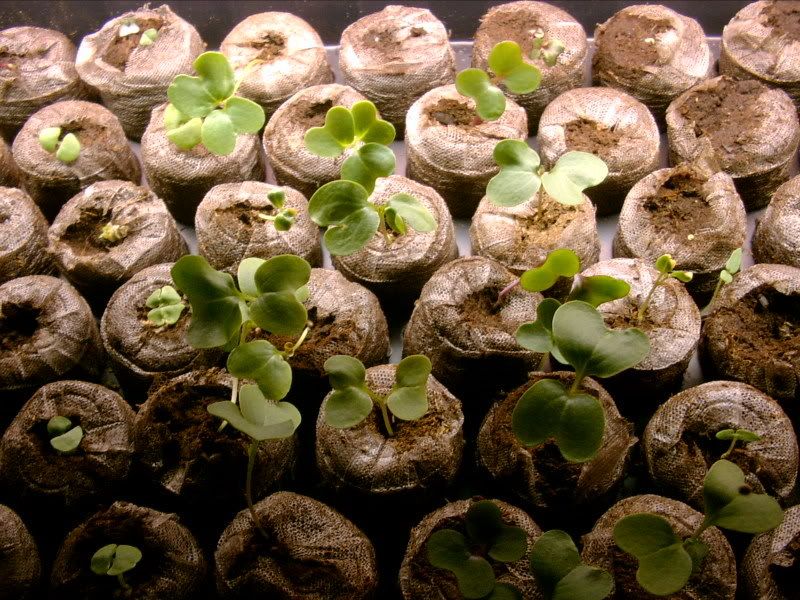
It is cold right now, going well below freezing at night. But my brassica babies are in need of a little leg room and a lot more light:

Photo Sharing and Video Hosting at Photobucket
Cabbage and broccoli seedlings 6 weeks old

So even though I know that the dreaded 'buttoning' might occur, I have put them out but not without a little protection:

Photo Sharing and Video Hosting at Photobucket
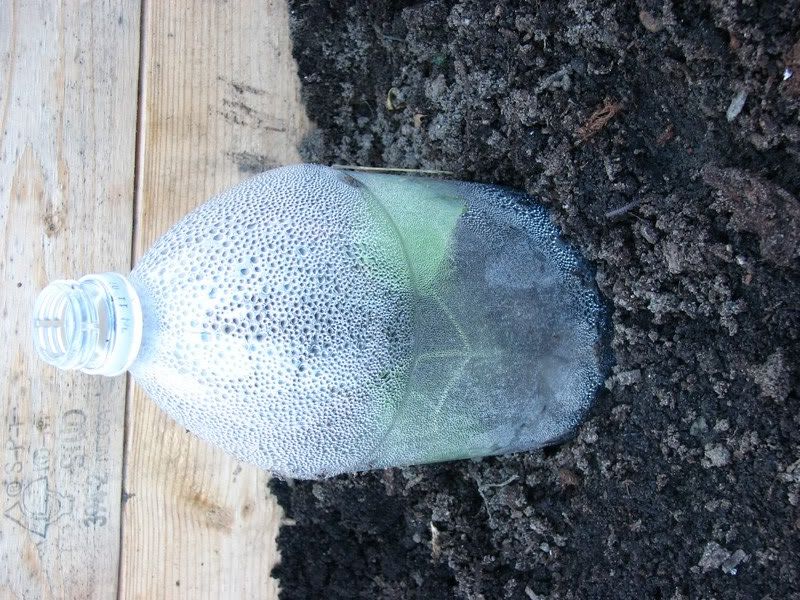
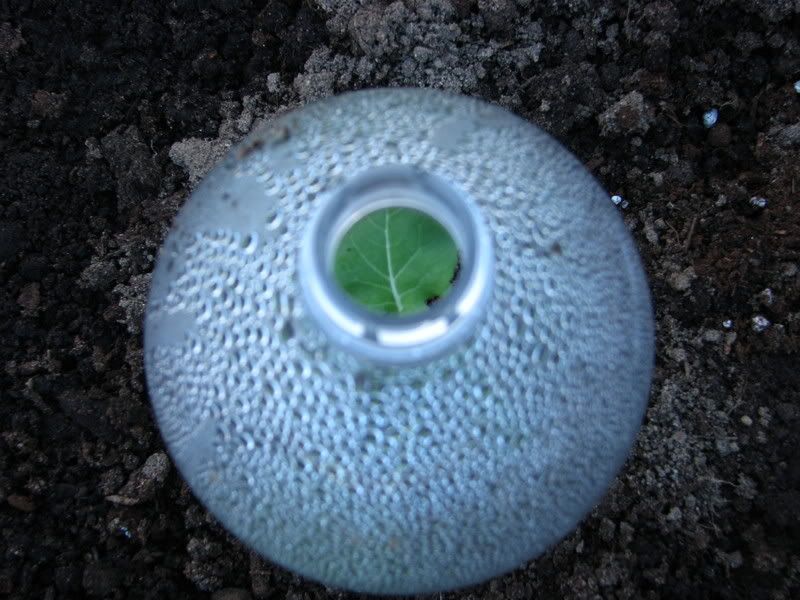
Broccoli seedling inside of pop bottle cloche inside of cold frame.

Meet the pop bottle cloche. Simple to manufacture. To give you instructions would be insulting but just in case you are really not with it right now, here are the bottoms:

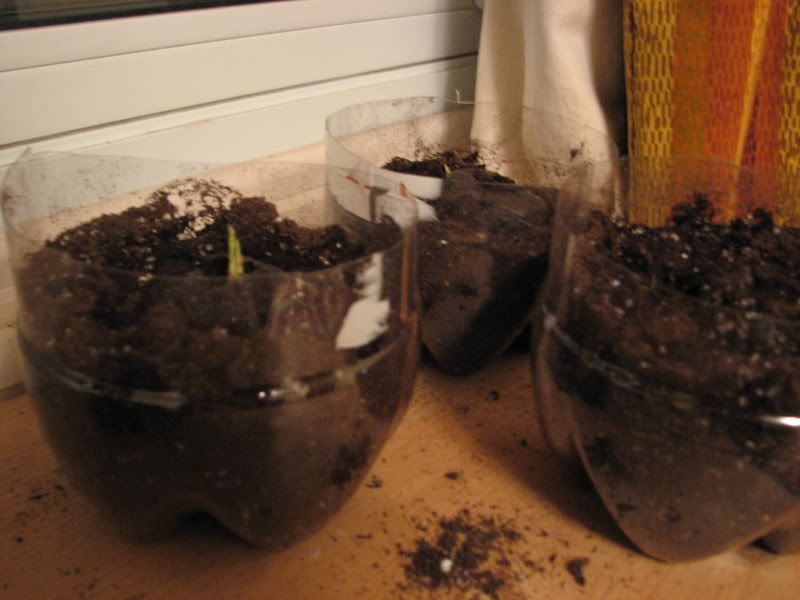
Photo Sharing and Video Hosting at Photobucket
Chufa nuts, just sprouted planted in pop bottle bottoms

From that, I imagine, you can deduce the rest.

"Hello in there broccoli."

Photo Sharing and Video Hosting at Photobucket
I spy broccoli with my little eye

These pop bottle cloches are inside of a cold frame. This may not preven the dreaded
premature head but it's worth a try. In the meantime, I have started a new batch of broccoli that will not be put out until the magic number 7 (degrees Celcius) is held most of the time.

Links:

A random how to grow broccoli page

More buttoning details

Interesting historical pictures of season / climate extension

You Grow Girl was much more creative with her pop bottle cloches - I love the protective ring idea.
Janet's Garden - some good ideas are like rocks in the road, hard not to trip over (the comment was directed at myself). Another great use of the pop bottle cloche
Soda bottle cloche
Playing in the dirt - another convert

I wonder how many other frugal gardeners out there re-invented this weather moderator?

Sunday, March 11, 2007

Green Thumb Sunday - proud momma

Photo Sharing and Video Hosting at Photobucket
Brassica seedlings most prominent, with basil and solanums (ground cherry, tomato, pepper).

I moved the flourescent bulb for the mood lighting effect. Otherwise it was the 'I'm blind' effect.

From the 'indoor garden'.


Join Green Thumb Sunday
Join


Gardeners, Plant and Nature lovers can join in every Sunday, visit As the Garden Grows for more information.